
Introduction to EtherNet/IP Vulnerability Assessment
As the backbone of many industrial networks, EtherNet/IP facilitates communication among devices in Operational Technology (OT) environments. However, with its widespread adoption comes an increased attack surface, making industrial network security a top priority. Conducting a thorough vulnerability assessment and implementing effective mitigation strategies are essential steps in safeguarding these critical systems. This blog post will guide you through the process of assessing vulnerabilities in EtherNet/IP networks and offer actionable advice for enhancing OT protection.
Understanding EtherNet/IP and Its Vulnerabilities
EtherNet/IP, an industrial protocol developed by Rockwell Automation, combines standard Ethernet with the Common Industrial Protocol (CIP) to enable seamless data exchange between industrial devices. While its integration into existing Ethernet infrastructure is advantageous, it also inherits some vulnerabilities associated with traditional IP networks.
Common Vulnerabilities in EtherNet/IP Networks
- Unencrypted Communication: Many EtherNet/IP implementations lack encryption, making data susceptible to interception and manipulation.
- Lack of Authentication: In some setups, devices are not required to authenticate communications, leaving networks open to unauthorized access.
- Default Configurations: Relying on default settings can create vulnerabilities that attackers easily exploit.
- Denial of Service (DoS) Attacks: EtherNet/IP networks can be overwhelmed by traffic, causing legitimate communications to be dropped.
Conducting a Vulnerability Assessment
A systematic vulnerability assessment helps identify weaknesses within an EtherNet/IP network. The following steps will guide you through this critical process:
Step 1: Asset Inventory
Create a comprehensive inventory of all network assets, including devices, communication paths, and existing security controls. This step is vital for understanding the scope of your network and identifying potential entry points for attackers.
Step 2: Network Mapping
Develop a detailed map of your network to visualize data flows and identify critical nodes. This map will be instrumental in pinpointing areas where vulnerabilities may exist.
Step 3: Identify Vulnerabilities
Use automated tools and manual methods to scan your network for known vulnerabilities. Pay special attention to:
- Unpatched software and firmware
- Unsecured communication channels
- Devices using default configurations
Step 4: Risk Analysis
Assess the impact and likelihood of each identified vulnerability. This analysis will help prioritize mitigation efforts based on potential risk to your operations.
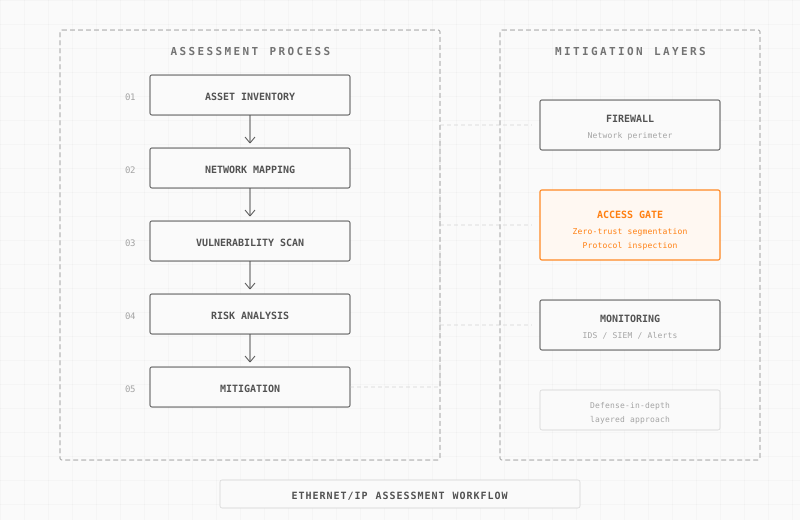
Mitigation Strategies for EtherNet/IP Vulnerabilities
Once vulnerabilities have been identified, implementing appropriate mitigation strategies is crucial. Here are several effective approaches:
Implementing Encryption
Encrypt communications using protocols such as TLS to protect data in transit. This prevents unauthorized interception and ensures data integrity.
Enforcing Authentication
Introduce strong authentication mechanisms -- such as certificate-based device identity and MFA for operator access -- to verify devices and users. This step can include the use of certificates or secure tokens.
Regular Patch Management
Establish a routine patch management process to ensure that all devices are running the latest software versions, addressing known vulnerabilities promptly.
Network Segmentation
Segment your network into secure zones to limit the spread of attacks. Employing VLANs or firewalls can help isolate critical systems from less secure parts of the network.
Continuous Monitoring
Deploy intrusion detection and prevention systems (IDPS) to continuously monitor network traffic for suspicious activity, providing real-time alerts and automated responses to potential threats.
Aligning with Relevant Standards
Aligning your EtherNet/IP security practices with established standards can further enhance network protection:
NIST 800-171
NIST 800-171 provides guidelines for protecting controlled unclassified information (CUI) in non-federal systems. Implementing these controls can strengthen your network's defense against unauthorized access and data breaches.
CMMC Compliance
For defense contractors, achieving Cybersecurity Maturity Model Certification (CMMC) compliance is essential. This framework includes practices and processes that ensure the security of Federal Contract Information (FCI) and CUI.
NIS2 Directive
The NIS2 Directive outlines requirements for improving the cybersecurity resilience of essential and important entities within the EU. Ensuring compliance with these standards can mitigate risks associated with cross-border operations.
Conclusion
Securing EtherNet/IP networks requires a cycle of assessment, remediation, and re-assessment. Start with a full asset inventory and network map, scan for the four common vulnerability classes (unencrypted traffic, missing authentication, default configurations, DoS exposure), and remediate by priority. Encrypt communications with TLS, enforce device authentication, segment critical CIP devices into their own zones, and deploy continuous monitoring to catch regressions. Re-run your vulnerability assessment quarterly or after any significant network change.