The Evolution of Network Design: Speed and Security
As digital transformation reshapes industries, network design leads the way in delivering both speed and security. Traditionally, organizations faced a trade-off between fast network performance and robust security measures. However, Layer 3 networks, with their routing capabilities, are proving that you can indeed have the best of both worlds. This post delves into how Layer 3 networks achieve this balance, making them a preferred choice for modern network architecture in IT and OT environments.
Understanding Layer 3 Networks
What is a Layer 3 Network?
Layer 3, also known as the Network Layer in the OSI model, primarily deals with routing and forwarding packets across different networks. It is responsible for logical addressing (IP addresses) and path determination. Unlike Layer 2 networks, which rely on MAC addresses within the same local network, Layer 3 can efficiently manage data transmission across diverse networks.
Key Features of Layer 3 Networks
- Routing Capabilities: Layer 3 networks can determine the best path across multiple networks using IP addresses.
- Segmentation: They provide better network segmentation, which enhances security by isolating different network segments.
- Scalability: Layer 3 networks can accommodate a larger number of devices and more complex network structures.
- Traffic Management: They offer advanced traffic management features such as Quality of Service (QoS) and load balancing.
Speed: Optimizing Network Performance
Efficient Routing and Reduced Bottlenecks
Layer 3 networks optimize performance through efficient routing protocols like OSPF (Open Shortest Path First) and BGP (Border Gateway Protocol). These protocols dynamically update paths and reroute traffic, minimizing delays and avoiding bottlenecks. As a result, data packets reach their destination faster and more reliably.
Scalability and Performance
With the ability to handle more complex network topologies, Layer 3 networks easily scale with organizational growth. They support larger address spaces and more devices, which is crucial for industries adopting IoT technologies and expanding their digital footprint.
Traffic Prioritization
Quality of Service (QoS) in Layer 3 networks allows for traffic prioritization, ensuring that critical applications receive the bandwidth they need. This is particularly important in environments where real-time data processing is essential, such as in manufacturing or financial services.
Security: Fortifying Network Defenses
Enhanced Segmentation and Isolation
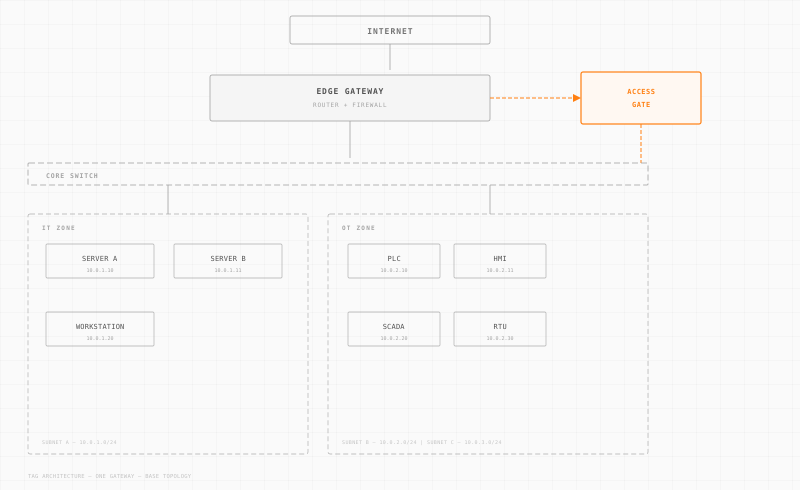
Layer 3 networks excel at creating segmented network environments that limit broadcast domains. This segmentation is a key component of the Zero Trust model, which assumes that threats can originate both inside and outside the network. By isolating segments, Layer 3 networks reduce the risk of lateral movement by potential attackers.
Compliance with Security Standards
Layer 3 networks align well with compliance mandates such as NIST 800-171, CMMC, and NIS2. These standards emphasize the need for controlled access and data protection, achievable through robust network segmentation and traffic monitoring provided by Layer 3 deployments.
Advanced Threat Detection and Mitigation
With built-in capabilities for monitoring and filtering traffic, Layer 3 networks can detect anomalies and mitigate threats more effectively than their Layer 2 counterparts. Features such as Access Control Lists (ACLs) and firewalls integrate seamlessly, providing a multi-layered defense strategy.
Implementing Layer 3 Networks: Practical Considerations
Assessing Your Network Needs
Before transitioning to a Layer 3 network, it's essential to conduct a thorough assessment of your current network infrastructure. Identify areas where performance lags or security vulnerabilities exist, and determine how Layer 3 capabilities can address these issues.
Planning for Migration
Migration to a Layer 3 network should be meticulously planned to minimize disruptions. Develop a phased approach that includes testing in a controlled environment, training for IT staff, and gradual deployment across network segments.
Leveraging Technology and Expertise
Consider using advanced network management tools that support Layer 3 functionalities. Partner with vendors experienced in network design and cybersecurity to ensure a smooth and secure transition.
Conclusion: The Future of Network Design
Layer 3 networks eliminate the false choice between speed and security. Routing protocols like OSPF optimize traffic paths while ACLs and segmentation enforce access control at every subnet boundary. If your industrial network still runs as a flat Layer 2 domain, plan the migration now: assess your current traffic patterns, design subnets around functional zones, and deploy Layer 3 switches that give you both performance and enforcement points. The longer you wait, the larger the blast radius of the next broadcast storm or lateral-movement attack.