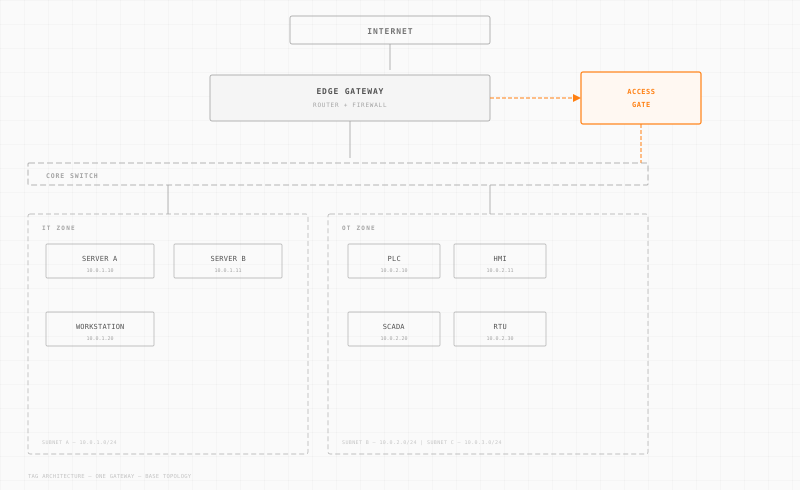
An antivirus is a software program designed to detect, prevent, and remove malicious software, known as malware, from computers and networks. In the context of OT/IT cybersecurity, antivirus solutions play a crucial role in safeguarding endpoints, such as workstations and servers, from threats that could compromise the integrity of industrial and critical environments.
Understanding Antivirus in OT/IT Cybersecurity
In operational technology (OT) and information technology (IT) environments, antivirus software acts as a frontline defense against malware, which includes viruses, worms, trojans, ransomware, and spyware. Given the interconnected nature of modern industrial systems, the role of antivirus extends beyond simple detection and removal; it involves comprehensive endpoint protection strategies that prevent unauthorized access and data breaches.
How Antivirus Software Works
Antivirus software operates by scanning files and systems for patterns or signatures that match known malware. It employs heuristic analysis to identify new, previously unknown viruses by examining suspicious behavior. Additionally, modern antivirus programs often include features like real-time protection, which monitors systems for malicious activity as it occurs, and automatic updates to ensure the latest threat definitions are in use.
Integration with Industrial Systems
In industrial and critical settings, integrating antivirus solutions can be challenging due to the unique requirements of OT systems, which often prioritize availability and consistent operation. Unlike IT systems, which can frequently update and reboot, OT systems might operate continuously, requiring antivirus solutions that are non-disruptive and highly reliable. This integration is vital for maintaining both cybersecurity and the operational stability of critical infrastructure.
Why It Matters
Industrial, manufacturing, and critical environments are increasingly targeted by sophisticated cyber-attacks due to their essential nature and potential vulnerabilities. Antivirus programs are fundamental to a holistic security posture in these settings, particularly as these environments become more interconnected and digitized. Effective malware protection is crucial for maintaining the integrity and reliability of essential systems, preventing costly downtime, data breaches, and even physical damage.
Compliance with Standards
Adhering to cybersecurity standards is essential for maintaining robust security practices. Antivirus solutions help organizations comply with various standards, such as:
- NIST SP 800-171: This standard outlines security requirements for protecting controlled unclassified information (CUI) in non-federal systems, emphasizing the necessity of malware protection.
- CMMC: The Cybersecurity Maturity Model Certification requires defense contractors to implement antivirus solutions as part of their cybersecurity practices.
- NIS2 Directive: This European Union directive mandates robust cybersecurity measures, including malware protection, for operators of essential and digital services.
- IEC 62443: This series of standards provides a framework for securing industrial automation and control systems, highlighting the importance of protective measures like antivirus software.
In Practice
In practice, deploying antivirus software in industrial settings involves careful planning and consideration of the unique challenges these environments present. For example, an automotive manufacturer might implement a layered security approach where antivirus software is one component of a broader strategy that includes network segmentation, firewalls, and intrusion detection systems. By doing so, they can ensure that their production lines remain secure from malware threats without interrupting operations.
Related Concepts
- Endpoint Protection: Comprehensive security solutions that protect endpoints from a variety of threats, including malware.
- Malware: Malicious software designed to harm or exploit any programmable device or network.
- Intrusion Detection System (IDS): A system that monitors network traffic for suspicious activities and issues alerts.
- Network Segmentation: The practice of dividing a computer network into subnetworks, each being a network segment.
- Ransomware: A type of malware that encrypts a user's files, demanding payment for the decryption key.