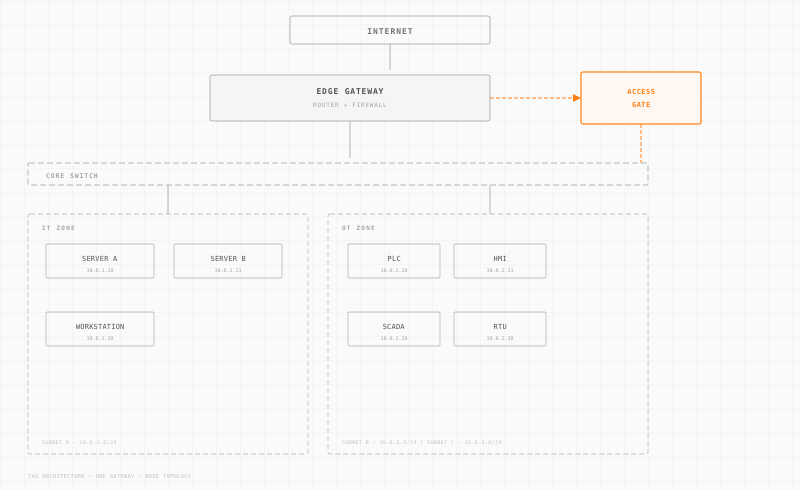
Tool tracking is the process of monitoring and managing tools, equipment, and assets within an organization to ensure they are accounted for, properly maintained, and utilized efficiently. It often involves using technology solutions to automate the tracking and management of these assets across various environments, including industrial, manufacturing, and critical infrastructure sectors.
Tool Tracking in OT/IT Cybersecurity
In the context of Operational Technology (OT) and Information Technology (IT) cybersecurity, tool tracking becomes an essential component for safeguarding critical assets. OT environments, which include industrial control systems (ICS), supervisory control and data acquisition (SCADA) systems, and distributed control systems (DCS), often house numerous tools and equipment vital for operational continuity and safety. The integration of IT solutions into these environments has increased the complexity and necessity of robust tracking systems to manage both physical and digital assets effectively.
Tool tracking systems in OT/IT environments not only ensure the physical security of assets but also contribute to cybersecurity by maintaining an up-to-date inventory of tools and equipment, which can be critical for incident response and compliance audits. Knowing what tools are present, their locations, and their usage history helps identify unauthorized access or potential misuse, which is vital for maintaining a secure operational environment.
Importance for Industrial, Manufacturing, and Critical Environments
Tool tracking is particularly significant for industrial, manufacturing, and critical infrastructure environments for several reasons:
- Operational Efficiency: Ensures tools are available and in working order, reducing downtime caused by misplaced or malfunctioning equipment.
- Safety Compliance: Helps in adhering to safety standards and protocols by ensuring that only properly maintained and calibrated tools are used.
- Regulatory Compliance: Facilitates compliance with regulations such as NIST SP 800-171, CMMC, NIS2, and IEC 62443 by maintaining accurate records of tool usage and maintenance.
- Risk Management: Mitigates risks associated with tool misuse or theft, which can lead to operational disruptions or safety incidents.
Regulatory Standards
- NIST SP 800-171: Provides guidelines for managing and protecting Controlled Unclassified Information (CUI) in non-federal systems, emphasizing the need for inventory controls.
- CMMC (Cybersecurity Maturity Model Certification): Requires organizations to implement asset management practices as part of their cybersecurity hygiene.
- NIS2 Directive: Focuses on enhancing the cybersecurity of network and information systems across the EU, including maintaining security of supply chains, which encompasses tool tracking.
- IEC 62443: Provides security guidelines for industrial automation and control systems, highlighting the importance of asset management.
In Practice
Consider a manufacturing facility that relies on a wide array of specialized tools for its daily operations. Implementing a tool tracking system using RFID tags or IoT sensors can automate the process of checking tools in and out of the inventory, tracking their location in real-time, and monitoring their maintenance schedules. This setup not only enhances efficiency but also ensures compliance with industry standards.
For instance, if a tool is due for calibration, the system can automatically alert the maintenance team to schedule the necessary service, ensuring the tool remains compliant with safety regulations. Additionally, in the event of a cybersecurity incident, having a detailed log of tool usage can be invaluable for forensic analysis and remediation efforts.