
OT zero-trust licensing and role-based use cases.
How OT zero-trust products are priced, and the roles they serve. Plus why per-asset metering punishes OT, and how Access Gate's all-inclusive per-appliance model avoids it.
Last updated:
OT zero-trust tools are licensed four ways: per-asset, per-user, per-site or per-appliance, and consumption. For asset-heavy OT, per-asset metering is the costliest and least predictable, the bill grows with every legacy device you find. A per-site model fits the fixed, high device counts of a plant floor. Trout Software's Access Gate uses a simple all-inclusive per-appliance subscription and enforces role-based access by user, asset, and protocol.
Four ways OT zero trust is priced
| Model | How it is priced | Fit for OT | Watch-out |
|---|---|---|---|
| Per-asset | Per protected device or endpoint | Weak | Cost grows with every legacy device discovered; unpredictable at scale |
| Per-user / seat | Per named identity | Partial | Good for remote access, weak for asset-heavy control networks |
| Per-site / appliance | Flat subscription per deployment | Strong | Predictable; matches fixed, high OT device counts |
| Consumption / capacity | By throughput or data volume | Weak | Cloud-style elasticity does not match a fixed plant floor |
Access Gate is priced per appliance, all-inclusive of hardware or virtual appliance, software, updates, and support, with no per-asset metering. The price does not climb as you discover more devices, which is what makes budgeting an OT rollout predictable.
One access layer, five roles
Operator
Read and control specific HMIs and PLCs during a shift, nothing else.
Third-party vendor / integrator
Time-boxed, session-recorded access to named assets for a maintenance window.
Control engineer
Program and configuration access to specific controllers, fully logged.
Compliance / audit
Read-only access to session logs and tamper-evident evidence.
SOC / IT security
Visibility into flows and alerts, with no control rights on the process.
Access Gate maps each role to the exact assets, protocols, and time windows it needs and records every session. Because enforcement lives in the overlay, these rules apply even to legacy equipment that cannot authenticate on its own. See what Access Gate is and agentless Zero Trust for OT.
Meet the Access Gate family
One product, three form factors, all on the same all-inclusive per-appliance subscription. Buy through a partner with a quote scoped to your site.
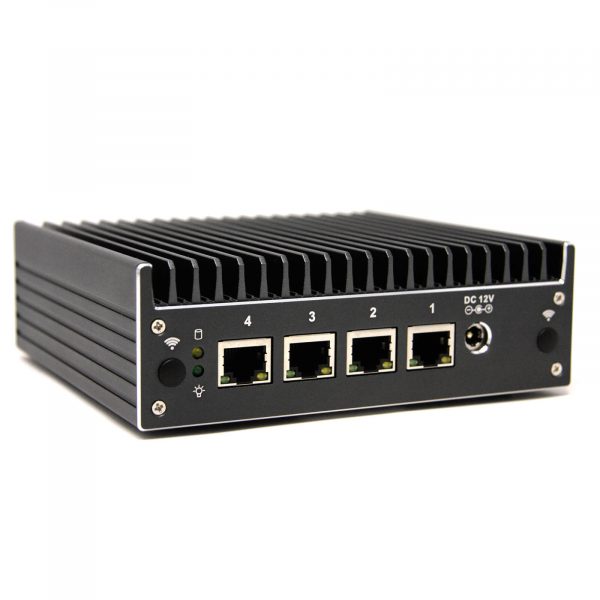
Access Gate Essential
For small & mid-size sites
Recommended up to 200 assets, depending on traffic volumeAll-inclusive annual subscription. Hardware, software, updates, and support. No per-seat fees, no hidden costs.
- Trout Access Gate Essential hardware appliance
- Network visibility & automatic asset discovery
- Secure Remote Access
- Legacy equipment protection
- Software updates & security patches
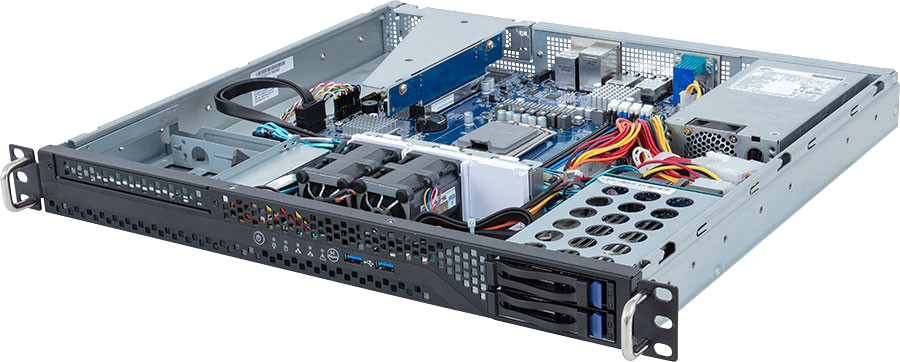
Access Gate Performance
For large sites & critical infrastructure
Recommended up to 1,000 assets, depending on traffic volumePerformance hardware powered by Trout CyberOS™. All-inclusive annual subscription. Premium Support.
- All Access Gate Essential Features
- Premium hardware appliance
- NIS2, IEC 62443 & CMMC compliance
- Priority support with dedicated SLA
*List price per appliance, billed annually, covering hardware, software, updates and support. Shipping and tax excluded. Final pricing is set by your local certified partner. Find a partner near you.
OT zero-trust licensing, answered
OT zero-trust products are licensed in four common models: per-asset (priced per protected device), per-user or per-seat (priced per named identity), per-site or per-appliance (a flat subscription per deployment), and consumption or capacity (priced by throughput or data volume). For asset-heavy OT sites full of legacy PLCs and sensors, per-asset licensing tends to be the most expensive and the least predictable, because cost grows with every device you discover. Access Gate uses a per-appliance all-inclusive subscription instead, so the price does not climb as you find more assets.
For most industrial sites, a per-site or per-appliance model is the best fit. OT environments have high, fixed device counts and long equipment lifecycles, so a flat per-deployment subscription gives predictable budgeting and does not penalize you for protecting legacy assets. Per-user models suit remote-access-only use cases, and consumption models suit elastic cloud workloads, neither of which matches a fixed plant floor. Access Gate is licensed per appliance, all-inclusive of hardware or virtual appliance, software, updates, and support.
The core roles are: operators (read and control specific HMIs and PLCs during their shift), third-party vendors and integrators (time-boxed, session-recorded access to named assets), control engineers (program and configuration access to specific controllers, fully logged), compliance and audit (read-only access to session logs and evidence), and SOC or IT security (visibility into flows and alerts, with no control rights). A zero-trust access layer maps each role to the exact assets, protocols, and time windows it needs, and records every session.
Access Gate binds every connection to an identity and enforces role-based access control at the network layer: by user, by asset, and by protocol. A vendor can be granted read-only access to one PLC for a two-hour maintenance window; an engineer can be granted program access to a controller; an auditor can be granted read-only access to logs. Because enforcement happens in the overlay, these rules apply even to legacy equipment that cannot authenticate on its own, and every session is recorded for audit.
Access Gate is sold as an all-inclusive per-appliance annual subscription covering hardware, software, updates, and support. Access Gate Essential is the model for small and mid-size sites, with current list prices on the pricing page. There is no per-asset metering, so the price does not increase as you discover more devices on the network.
The gate is the first service you run, not the last.
Price a deployment for your site
All-inclusive, per appliance, no per-asset metering. Get a quote scoped to your network.