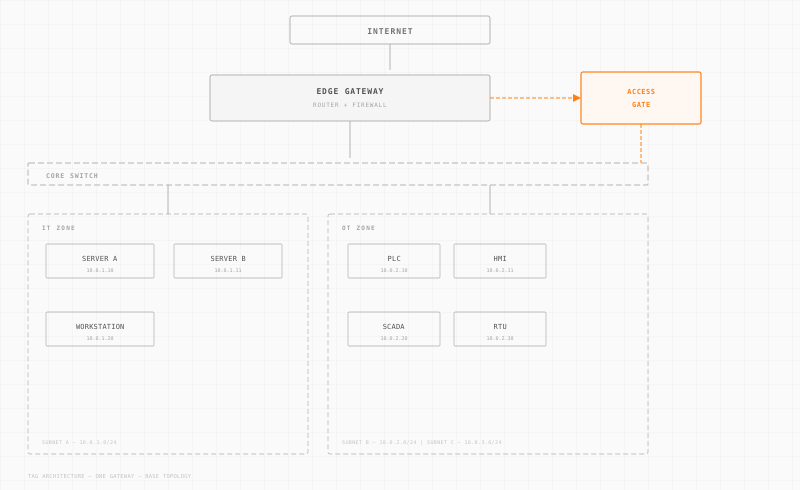
Preventive maintenance is a proactive approach to maintaining equipment and systems by scheduling regular inspections, servicing, and repairs to prevent unexpected failures and downtime. In the context of OT/IT cybersecurity, preventive maintenance ensures that both hardware and software components are consistently monitored and updated to mitigate potential security vulnerabilities.
Understanding Preventive Maintenance in OT/IT Cybersecurity
In industrial, manufacturing, and critical environments, preventive maintenance (PM) is crucial for maintaining operational continuity and security. This method involves planned, routine activities designed to detect and correct issues before they lead to equipment failure. In OT/IT systems, preventive maintenance encompasses both physical hardware and digital infrastructure, ensuring that systems operate efficiently and securely.
The Role of Preventive Maintenance
Preventive maintenance plays a vital role in safeguarding the integrity and availability of OT/IT networks:
- Hardware Maintenance: Regularly checking and servicing physical components such as servers, routers, and firewalls to ensure they are in optimal working condition.
- Software Updates: Applying patches and updates to software systems to protect against vulnerabilities and enhance functionality.
- Security Protocols: Ensuring security measures, such as firewalls and intrusion detection systems, are tested and updated to defend against evolving cyber threats.
Standards and Compliance
Preventive maintenance aligns with several industry standards and regulations, ensuring that organizations meet compliance requirements:
- NIST 800-171: This standard emphasizes the importance of maintaining and monitoring information systems to protect controlled unclassified information.
- CMMC: The Cybersecurity Maturity Model Certification outlines practices that include regular maintenance and updates to secure defense industrial base networks.
- NIS2: The Network and Information Systems Directive requires operators of essential services to implement measures that ensure service continuity, including preventive maintenance.
- IEC 62443: This set of standards addresses the security of industrial automation and control systems, advocating for regular maintenance to prevent security breaches.
Why It Matters
Preventive maintenance is critical for reducing the risk of equipment failures and cyber incidents in industrial settings. By implementing a scheduled maintenance plan, organizations can:
- Enhance System Reliability: Regular maintenance improves system uptime and performance, which is vital for continuous operations in industrial environments.
- Reduce Costs: Identifying and addressing potential issues before they escalate into significant problems can save on costly repairs and operational disruptions.
- Improve Security Posture: Keeping systems updated with the latest security patches and protocols helps protect against cyber attacks, ensuring the safety of sensitive data and processes.
In Practice
Consider a manufacturing plant that relies on a network of IoT devices for real-time monitoring and control. Scheduled maintenance can prevent unexpected failures by regularly updating firmware, checking device connectivity, and ensuring that security settings are correctly configured. This proactive approach helps maintain the plant's efficiency and security, reducing the likelihood of costly downtime or data breaches.
Related Concepts
- Predictive Maintenance
- Corrective Maintenance
- Condition-Based Maintenance
- Asset Management
- Reliability-Centered Maintenance