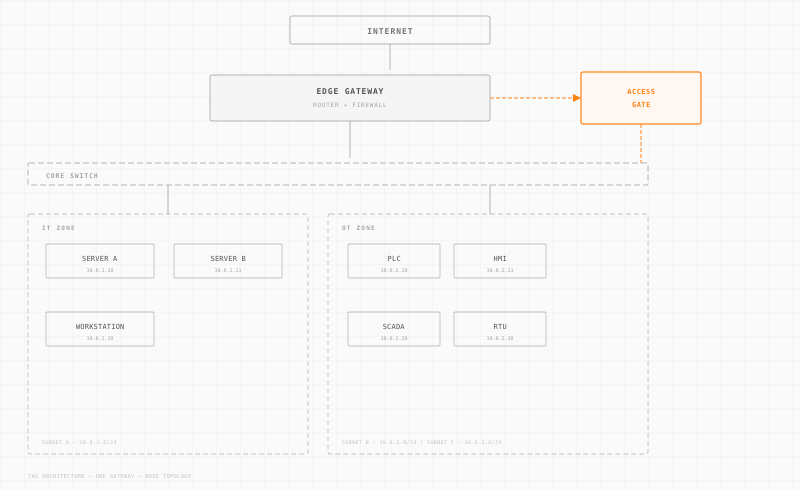
Change Management is the systematic approach to dealing with the transition or transformation of an organization's goals, processes, or technologies. Within the realm of OT/IT cybersecurity, it specifically refers to the methods and protocols used to manage and control changes to technology infrastructure, ensuring that security is maintained and disruptions are minimized.
Understanding Change Management in OT/IT Cybersecurity
In industrial and manufacturing environments, change management is crucial due to the complexity and interconnectivity of systems that often involve both Operational Technology (OT) and Information Technology (IT). These systems are integral to the operations of critical infrastructure, which must maintain high availability and security standards. The process involves change control, which is the methodical handling of all modifications to these systems to ensure that no unintended security vulnerabilities are introduced.
Change management encompasses several stages, including the identification of the need for change, the assessment of potential impacts, planning, testing, documenting, and the ultimate implementation of the change. This process is governed by strict protocols and standards to ensure that any configuration change is tracked, reviewed, and approved before being executed.
Why It Matters for Industrial, Manufacturing & Critical Environments
In environments like industrial plants and manufacturing facilities, downtime can lead to significant financial losses and safety risks. Therefore, managing changes to the infrastructure is not just about efficiency but also about maintaining the integrity and security of the systems. A robust change management process helps in:
- Preventing Security Breaches: By ensuring that all changes are thoroughly vetted, organizations can prevent unauthorized modifications that could lead to vulnerabilities.
- Compliance with Standards: Standards such as NIST 800-171 and CMMC emphasize the importance of change management in protecting Controlled Unclassified Information (CUI). Similarly, IEC 62443 provides guidelines for managing changes in critical infrastructure to mitigate risks.
- Minimizing Operational Disruptions: A structured change management process reduces the risk of system outages or performance degradation caused by poorly executed changes.
Standards and Compliance
Several standards and frameworks provide guidelines for implementing effective change management processes:
- NIST 800-171: This standard requires organizations to implement a configuration management policy and procedures to ensure that any changes to systems processing, storing, or transmitting CUI are managed and controlled.
- CMMC (Cybersecurity Maturity Model Certification): This framework includes practices at various maturity levels that address the need for a formal change management process to enhance cybersecurity posture.
- IEC 62443: Provides a framework for securing Industrial Automation and Control Systems (IACS), emphasizing the need for systematic change management to maintain secure operations.
In Practice
Consider a scenario where an industrial plant needs to update its control systems to enhance performance. Implementing this change without a proper change management process could inadvertently introduce security gaps, potentially allowing malicious threats to exploit these vulnerabilities. By following a structured change management process, the organization can ensure that all updates are tested in a controlled environment before being deployed, and any potential impacts on security and operations are mitigated.
Furthermore, having a well-documented change management process is essential for audits and compliance checks, demonstrating to regulatory bodies that the organization is committed to maintaining a secure and stable environment.
Related Concepts
- Configuration Management: The discipline of managing the configuration of a system to maintain its integrity over time.
- Incident Response: Procedures for managing and mitigating the effects of a security breach or cyberattack.
- Patch Management: The process of managing software updates and patches to protect systems from vulnerabilities.
- Security Policy: A set of rules and practices that govern how an organization manages, protects, and distributes sensitive information.
- Risk Management: The identification, assessment, and prioritization of risks, followed by coordinated efforts to minimize their impact.