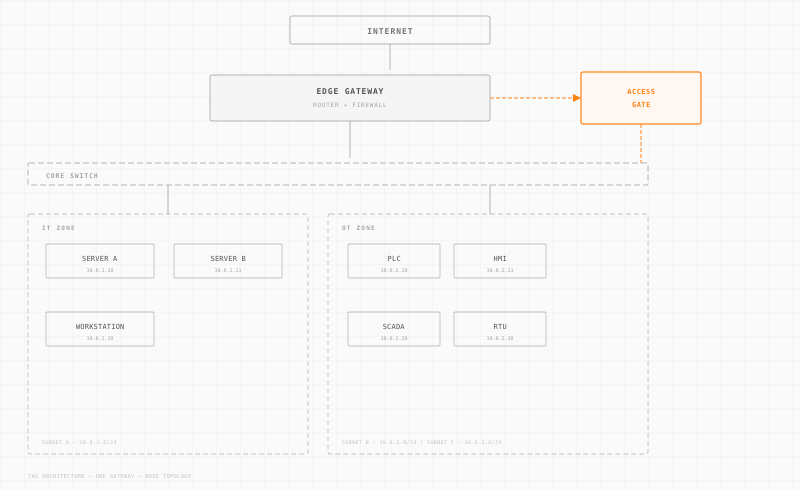
Patch Management refers to the systematic process of managing and applying software updates, known as patches, to address vulnerabilities, improve functionality, and ensure the security of software systems. In the context of OT/IT cybersecurity, patch management plays a critical role in maintaining the integrity and security of both operational technology (OT) and information technology (IT) environments.
Understanding Patch Management in OT/IT Cybersecurity
In industrial, manufacturing, and critical infrastructure environments, patch management is essential for safeguarding systems against cyber threats. These sectors often rely on both OT and IT systems, where OT systems control physical processes and machinery, while IT systems manage data and communications. Effective patch management ensures that vulnerabilities in these systems are mitigated to prevent potential exploits that could lead to data breaches, operational disruptions, or safety hazards.
The Patch Management Process
The patch management process typically involves several key steps:
-
Vulnerability Identification: Recognizing vulnerabilities in software that require patching. This can involve using vulnerability scanning tools or receiving alerts from software vendors.
-
Patch Evaluation: Assessing the relevance and impact of a patch on the system. This includes understanding the patch's purpose and testing it in a controlled environment to minimize risks to production systems.
-
Patch Deployment: Applying the patch to affected systems. This step must be carefully scheduled to avoid disrupting operations, especially in environments where uptime is critical.
-
Verification and Documentation: Verifying that patches have been successfully applied and documenting changes for compliance and auditing purposes.
Standards and Compliance
Patch management is often a requirement under various standards and compliance frameworks. For example:
-
NIST 800-171: This standard emphasizes the need for regular updates to protect controlled unclassified information (CUI) in non-federal systems.
-
CMMC (Cybersecurity Maturity Model Certification): Requires organizations to demonstrate effective patch management practices as part of their cybersecurity maturity levels.
-
IEC 62443: This series of standards outlines security requirements for industrial automation and control systems, highlighting the importance of maintaining current patches to protect against security threats.
Why It Matters
Patch management is crucial for preventing cybersecurity incidents that could have devastating consequences in industrial and critical environments. Unpatched systems can be exploited by attackers to gain unauthorized access, disrupt services, or cause physical damage to equipment. For instance, the infamous WannaCry ransomware attack exploited a known vulnerability in Windows systems that had not been patched, leading to widespread disruption in various sectors, including healthcare and manufacturing.
In environments where safety and reliability are paramount, such as chemical plants or energy facilities, the timely application of patches can prevent incidents that might endanger human lives or cause environmental harm. Moreover, adhering to patch management best practices helps organizations comply with regulatory requirements, avoiding potential fines and reputational damage.
In Practice
Implementing an effective patch management strategy involves a combination of automation and manual oversight. Automated tools can help identify and deploy patches quickly, while human oversight ensures that patches are applied judiciously, with consideration for system dependencies and operational priorities.
Organizations should establish a patch management policy that includes regular patch cycles, emergency patch procedures, and clear roles and responsibilities. Additionally, maintaining an inventory of all software assets and their current patch status is vital for effective management and compliance reporting.
Related Concepts
- Vulnerability Management
- Change Management
- Cyber Hygiene
- IT Asset Management
- Endpoint Protection