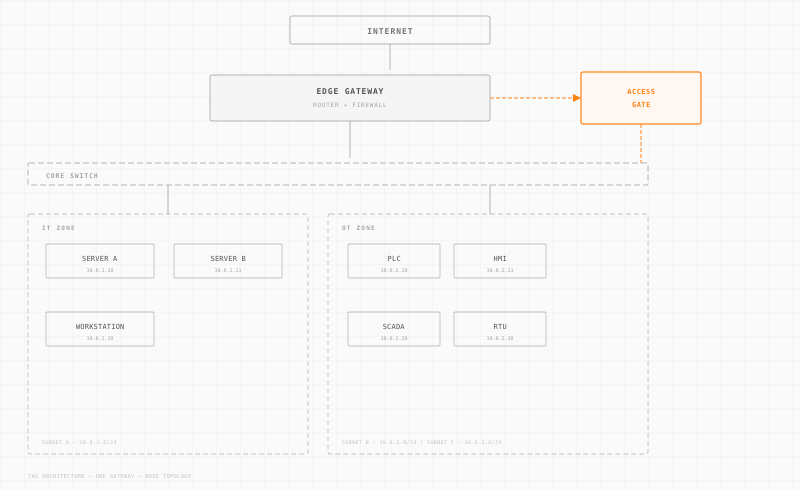
Compliance auditing refers to the process of evaluating an organization's adherence to regulatory standards, policies, and guidelines. In the context of cybersecurity, it involves ensuring that systems and processes meet specific security requirements and best practices to protect sensitive data and maintain operational integrity.
Understanding Compliance Auditing in Cybersecurity
In the realm of Operational Technology (OT) and Information Technology (IT) cybersecurity, compliance auditing is critical for verifying that an organization's security measures align with applicable regulations and standards. This process typically involves a thorough examination of security controls, policies, and procedures to identify any gaps or weaknesses that could expose the organization to cyber threats.
Compliance audits are often conducted by internal teams or external third-party auditors who assess the organization's adherence to standards such as NIST 800-171, CMMC (Cybersecurity Maturity Model Certification), and IEC 62443. These standards provide frameworks that help organizations implement robust security practices tailored to their specific industry needs.
Key Components of a Compliance Audit
-
Pre-Audit Preparation: This phase involves collecting and reviewing all relevant documentation, policies, and records. It sets the groundwork for a successful audit by ensuring that all necessary materials are in order.
-
Evaluation of Security Controls: Auditors assess the effectiveness of implemented security controls, such as firewalls, intrusion detection systems, and access management protocols, against established standards.
-
Gap Analysis: Identifying discrepancies between current practices and regulatory requirements is crucial. This analysis helps organizations understand where they need to improve.
-
Reporting: After the audit, a detailed report is generated, highlighting findings, areas of non-compliance, and recommendations for remediation.
-
Remediation: Addressing identified gaps and implementing recommended changes to achieve full compliance.
Why It Matters
Compliance auditing is vital for organizations in industrial, manufacturing, and critical environments due to the sensitive nature of the data they handle and the potential impact of cyber incidents. Ensuring compliance with standards like NIST 800-171 and CMMC not only protects against data breaches and cyber attacks but also helps maintain business continuity by safeguarding critical infrastructure.
For example, in a manufacturing setting, a compliance audit might reveal vulnerabilities in the network that could be exploited to disrupt production lines, leading to significant financial losses and reputational damage. By identifying and addressing these vulnerabilities, organizations can enhance their security posture and reduce the risk of cyber threats.
Regulatory Standards and Their Impact
- NIST 800-171: Provides guidelines for protecting controlled unclassified information in non-federal systems and organizations.
- CMMC: A unifying standard for cybersecurity across the defense industrial base, ensuring that contractors implement adequate security controls.
- IEC 62443: Addresses security for industrial automation and control systems, crucial for safeguarding critical infrastructure.
In Practice
Organizations must approach compliance auditing as an ongoing process rather than a one-time event. Regular audits help ensure that security practices evolve alongside emerging threats and regulatory changes. Investing in compliance not only reduces legal and financial risks but also builds trust with clients and partners by demonstrating a commitment to cybersecurity.
Related Concepts
- Regulatory Compliance
- Security Controls
- Cybersecurity Framework
- Risk Assessment
- Incident Response