Inventory Control refers to the systematic management and oversight of stocked goods, ensuring that the right quantity of supplies is maintained to meet customer demand without incurring excess costs. In the context of OT/IT cybersecurity, inventory control involves tracking and managing both physical assets and digital resources within a network to ensure optimal security and compliance.
Understanding Inventory Control in OT/IT Cybersecurity
In industrial and critical environments, inventory control extends beyond traditional stock management. It encompasses the detailed tracking of all hardware and software assets within an operational technology (OT) and information technology (IT) infrastructure. This involves maintaining an accurate database of all devices, applications, and systems that are part of the network. Effective inventory control in these environments is crucial for safeguarding against cybersecurity threats and ensuring operational efficiency.
Importance in Industrial and Critical Environments
For industries such as manufacturing, energy, and utilities, maintaining stringent inventory control is vital. These sectors often operate complex and interconnected systems that require precise coordination and management. Inadequate inventory control can lead to cybersecurity vulnerabilities, as unidentified or unmanaged devices may become entry points for attackers.
Implementing robust inventory control helps organizations comply with various cybersecurity frameworks and standards. For example, NIST 800-171 and CMMC emphasize the importance of asset management in safeguarding Controlled Unclassified Information (CUI). Similarly, NIS2 and IEC 62443 standards require comprehensive asset management to protect critical infrastructure against cyber threats.
Why It Matters
Effective inventory control is critical for maintaining the security and integrity of OT/IT networks. By ensuring that all assets are accounted for and properly managed, organizations can:
-
Enhance Security Posture: Regular inventory audits help identify unauthorized devices or applications, reducing the risk of security breaches.
-
Facilitate Compliance: Accurate inventory records support compliance with industry standards and regulations, preventing potential fines and legal issues.
-
Improve Operational Efficiency: Knowing what assets are available and where they are located simplifies maintenance and reduces downtime, leading to increased productivity.
-
Support Incident Response: In the event of a security incident, a well-maintained inventory can expedite response efforts by quickly identifying affected assets.
Practical Example
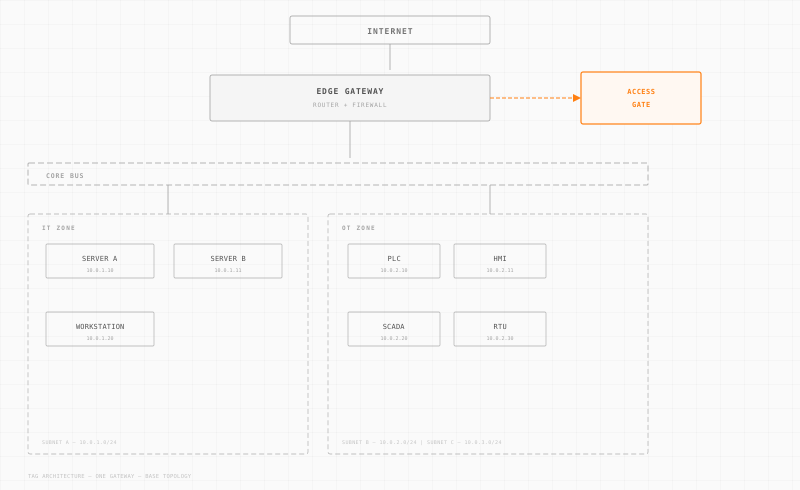
Consider a manufacturing facility using automated machinery and sensors connected to a central IT system. Effective inventory control would involve cataloging each device, updating software versions, and monitoring network access. If a new device is added, it is immediately recorded in the inventory system, ensuring that security updates and patches are consistently applied. This proactive approach minimizes the risk of cyberattacks that could disrupt production.
Related Concepts
- Asset Management: The strategic management of physical and digital assets to maximize value and minimize risk.
- Cybersecurity Compliance: Adhering to laws, regulations, and standards designed to protect data and systems from cyber threats.
- Network Security: Measures taken to protect the integrity, confidentiality, and availability of computer networks and data.
- Risk Management: The process of identifying, assessing, and mitigating risks to an organization's operations and assets.
- Supply Chain Security: Protecting the integrity of the supply chain to prevent disruptions and ensure the delivery of products and services.