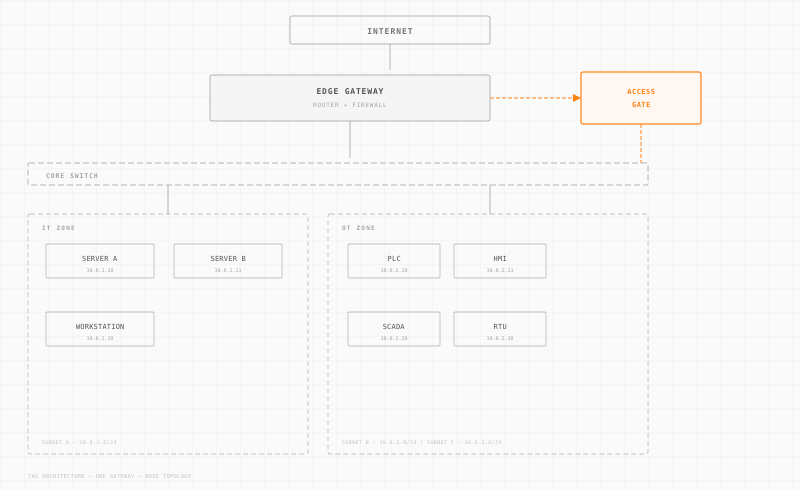
Biometric Authentication is a security process that verifies a user's identity based on unique biological characteristics, such as fingerprints or facial features. This method is increasingly utilized in cybersecurity for its ability to provide a high level of security by leveraging physical traits that are difficult to replicate or steal.
Understanding Biometric Authentication in OT/IT Cybersecurity
In the context of OT/IT cybersecurity, biometric authentication serves as a robust security measure, particularly in environments where safeguarding sensitive data and ensuring the integrity of operational technology (OT) systems are paramount. By using biological characteristics for authentication, systems can effectively minimize the risk of unauthorized access, thereby enhancing the security posture of critical infrastructure and industrial control systems (ICS).
Biometric systems deploy various modalities, such as fingerprint authentication and facial recognition, to authenticate users. Fingerprint authentication involves scanning and analyzing the unique patterns of a person’s fingerprint, while facial recognition identifies users based on their facial features. These techniques offer a streamlined user experience by reducing the reliance on traditional methods such as passwords, which are susceptible to being forgotten, stolen, or hacked.
Importance for Industrial, Manufacturing & Critical Environments
In industrial settings, where the protection of both physical and digital assets is crucial, biometric authentication can significantly enhance security measures. Facilities such as power plants, manufacturing units, and critical infrastructure rely heavily on biometric systems to ensure that only authorized personnel can access sensitive areas, control systems, and data.
The use of biometric authentication aligns with several key cybersecurity standards and frameworks. For instance, the NIST 800-171 guidelines emphasize the importance of protecting controlled unclassified information in non-federal systems, where biometric authentication can serve as a vital control mechanism. Similarly, CMMC levels require stringent access controls, which biometric methods can fulfill by ensuring that access is granted only to verified individuals. Additionally, IEC 62443 standards, which focus on the cybersecurity of industrial automation and control systems, recognize the value of strong authentication methods like biometrics in safeguarding critical systems.
Why It Matters
Implementing biometric authentication in critical environments addresses several challenges:
-
Enhanced Security: By utilizing unique biological traits, biometric systems significantly reduce the risk of credential theft and unauthorized access.
-
User Convenience: Biometrics offer a more seamless and user-friendly experience compared to traditional methods, reducing friction for users accessing secure systems.
-
Regulatory Compliance: Adhering to standards such as NIST 800-171, CMMC, and IEC 62443, biometric authentication helps organizations meet regulatory requirements and improve their security frameworks.
-
Operational Efficiency: In environments where time is critical, such as manufacturing and industrial settings, biometric systems expedite authentication processes, thereby enhancing operational efficiency.
In Practice
Consider a manufacturing plant that relies on OT systems to manage production lines. Implementing fingerprint authentication for access to control systems ensures that only authorized engineers can make changes to critical settings, preventing potential disruptions caused by unauthorized access. Similarly, using facial recognition at entry points secures the plant from unauthorized personnel entry, maintaining both physical and cybersecurity.
Related Concepts
- Multi-factor Authentication
- Access Control
- Identity and Access Management (IAM)
- Zero Trust Architecture
- Authentication Protocols