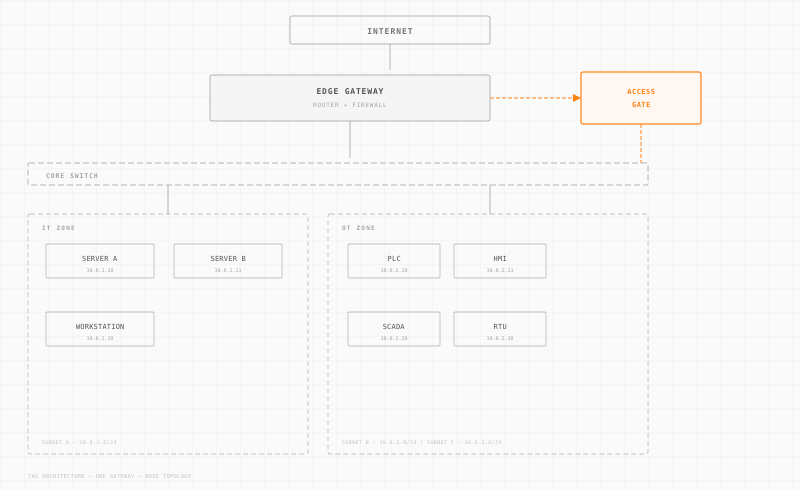
Endpoint Protection refers to a comprehensive approach to safeguarding endpoints, such as laptops, desktops, servers, and mobile devices, from cyber threats. This involves using a combination of security software and practices to detect, block, and respond to potential threats targeting these vital points of access within a network.
Understanding Endpoint Protection in OT/IT Cybersecurity
In the context of Operational Technology (OT) and Information Technology (IT) cybersecurity, endpoint protection is crucial because endpoints often serve as gateways into larger systems. This is particularly true in industrial, manufacturing, and critical infrastructure environments where the convergence of IT and OT networks can introduce unique vulnerabilities. Endpoint Protection Platforms (EPP) are designed to address these vulnerabilities by providing a multi-layered defense strategy that includes antivirus, anti-malware, personal firewalls, intrusion prevention, and more.
The integration of endpoint protection solutions helps organizations comply with various cybersecurity standards. For example, NIST SP 800-171 and CMMC provide guidelines and requirements for protecting Controlled Unclassified Information (CUI) on non-federal systems, emphasizing the need for robust endpoint security measures. Similarly, IEC 62443 outlines protocols for protecting critical infrastructure and industrial control systems, where endpoint protection plays a pivotal role.
Why It Matters for Industrial, Manufacturing & Critical Environments
In industrial and manufacturing settings, endpoints can include a vast array of devices, from operator workstations to embedded systems in machinery. The protection of these endpoints is essential not only for preventing data breaches but also for ensuring operational continuity. A compromised endpoint can lead to production downtime, safety hazards, and substantial financial losses.
Endpoint protection is particularly important in critical environments, such as energy, water, and transportation sectors, where disruptions can have far-reaching consequences. For instance, a targeted attack on an endpoint in a power plant's control system could lead to widespread outages. By implementing robust endpoint protection, organizations can mitigate these risks, ensuring both the security of their networks and the safety of their operations.
Key Components of Effective Endpoint Protection
Threat Detection and Response
Endpoint Detection and Response (EDR) tools are integral to modern endpoint protection strategies. They provide continuous monitoring and analysis capabilities, enabling organizations to detect suspicious activities in real-time and respond swiftly to contain and mitigate threats.
Data Encryption and Device Control
To prevent unauthorized access and data exfiltration, endpoint protection solutions often include data encryption and device control features. These capabilities ensure that sensitive information remains secure, even if a device is lost or stolen.
Policy Enforcement
Enforcing security policies across all endpoints is crucial for maintaining a consistent security posture. Endpoint protection solutions can automate the enforcement of these policies, ensuring compliance with industry standards and organizational security protocols.
In Practice
Consider a manufacturing plant where operators use tablets to monitor and control production lines. Without proper endpoint protection, these tablets could become entry points for cyber attackers, potentially allowing them to manipulate production processes or steal proprietary information. By deploying an endpoint protection platform, the plant can safeguard these devices with features like application whitelisting, real-time threat intelligence, and automated patch management.
Moreover, endpoint protection solutions support the implementation of a Zero Trust architecture, which is increasingly recognized as a best practice for securing complex OT/IT environments. By continuously verifying the trustworthiness of each endpoint, organizations can reduce the risk of both external and internal threats.