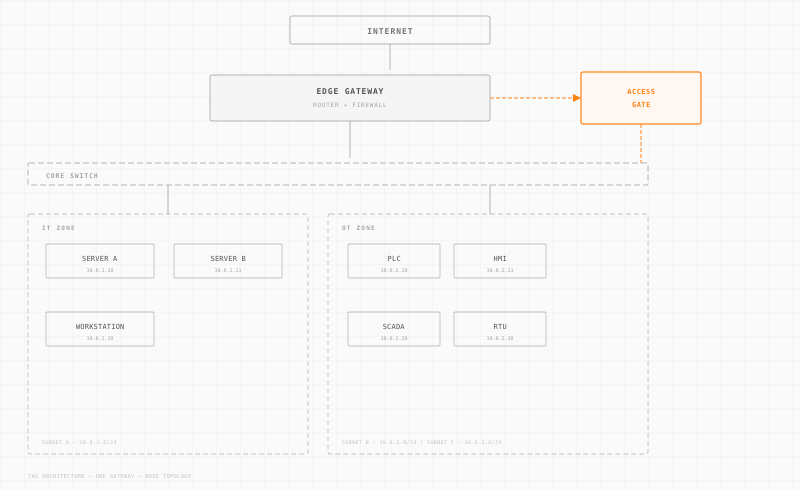
Vulnerability management is a systematic process of identifying, evaluating, treating, and reporting on security vulnerabilities in systems and software. It is an essential element of a cybersecurity strategy, especially in the context of Operational Technology (OT) and Information Technology (IT) environments, ensuring that potential security weaknesses are addressed before they can be exploited by malicious actors.
Understanding Vulnerability Management
In OT/IT cybersecurity, the importance of vulnerability management cannot be overstressed. This process involves several key steps: discovery of vulnerabilities, prioritization based on risk assessment, remediation which can include patching or other mitigation measures, and validation to ensure the vulnerabilities have been effectively addressed. Each step requires robust procedures and tools to ensure that vulnerabilities are managed efficiently.
The Process Explained
-
Discovery: This is the initial step where vulnerabilities are identified using automated tools like vulnerability scanners or through manual assessments. In industrial and manufacturing environments, this might involve scanning both IT systems and OT assets such as PLCs and SCADA systems.
-
Prioritization: Once vulnerabilities are discovered, they must be prioritized for remediation based on their risk levels, which is determined by factors such as the severity of the vulnerability, the criticality of the affected system, and the potential impact on the business operations. Patch prioritization is a critical component here, ensuring that the most critical patches are applied first to protect against potential threats.
-
Remediation: This involves applying patches, configuring security settings, or implementing compensating controls. Vulnerability remediation in OT environments can be challenging due to the need to maintain continuous operations and the potential impact of patches on critical processes.
-
Validation: After remediation, validation checks are conducted to confirm that vulnerabilities have been successfully addressed. This may involve rescanning systems or performing penetration testing.
-
Reporting: Comprehensive reports are generated to provide insights into the current security posture, improvement over time, and compliance with industry standards such as NIST 800-171, CMMC, and IEC 62443.
Why It Matters
In industrial, manufacturing, and critical environments, vulnerability management is crucial due to the potential for severe disruptions and safety hazards that can result from security breaches. Vulnerabilities in OT systems can lead to operational downtime, financial loss, and even physical harm. Therefore, a robust vulnerability management program helps organizations mitigate these risks by proactively addressing security weaknesses.
Compliance and Standards
Adhering to security standards and regulations is another critical aspect of vulnerability management. For instance, NIST SP 800-171 outlines requirements for protecting controlled unclassified information, while the Cybersecurity Maturity Model Certification (CMMC) provides a framework for assessing cybersecurity practices. Similarly, the IEC 62443 standards focus on securing industrial automation and control systems. These standards emphasize the importance of a structured approach to vulnerability management as part of overall cybersecurity compliance.
In Practice
Consider a manufacturing plant where OT systems are integrated with IT networks. A vulnerability assessment might reveal outdated software on a critical control system. Through patch prioritization, the organization determines that this vulnerability poses a high risk due to its network exposure and potential impact on production. A patch is scheduled during a maintenance window to minimize disruption, and after applying it, the system is rescanned to ensure the vulnerability is no longer present. This proactive approach reduces the risk of exploitation and helps maintain operational integrity.